About Aluminium Extrusion Press Machine
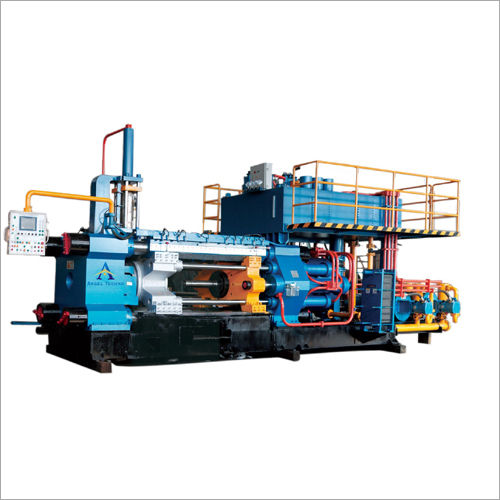
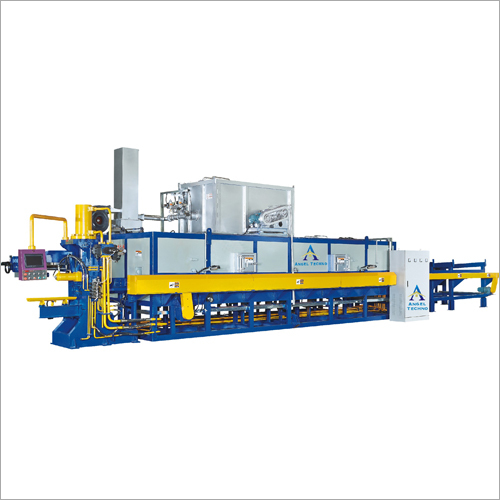
We as a leading manufacturer and supplier, we are indulged in presenting a quality array of Aluminum Extrusion Press Machine. These are available as firm sealed retort construction that is meant for pressing the components. The process includes precise components which helps in pressing the surface of a metal. Low carbon or low alloy steel is the basic component that is used for making these machine. We are presenting these Aluminum Extrusion Press Machine in numerous specifications at nominal rates.
Advanced Oil and Cooling Systems for High PrecisionThis extrusion press is equipped with an automated high-pressure oil system and integrated water cooling circuitry. These systems provide optimal lubrication, control hydraulic pressure, and regulate operating temperatures to ensure precise extrusion with a billet tolerance of 0.05 mm. The result is consistently accurate profiles and long-term equipment reliability.
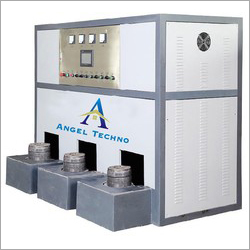
Efficient and Safe Billet Preheating and HandlingBillets are preheated in either electric or gas furnaces, reaching ideal temperatures for extrusion and maximizing yield. With a quick change die mechanism and safety interlocks, the machine ensures fast transitions and secure operations. Emergency stops and noise levels below 85 dB(A) further enhance workplace safety and comfort.
User-Friendly Operation and Versatile Industrial ApplicationFeaturing touch screen controls and a PLC-based system, the machine offers automated, computerized operations for seamless process management. With a flexible design accommodating custom dimensions and a robust alloy steel construction, it suits a wide range of industrial extrusion demands and can be optimized for various profile shapes and specifications.
FAQs of Aluminium Extrusion Press Machine:
Q: How does the high-pressure oil system contribute to the extrusion process?
A: The high-pressure oil system provides automated lubrication to critical components, maintaining optimal hydraulic pressure (up to 31 MPa), reducing wear, and ensuring smooth, efficient operation. This system supports consistent extrusion quality, minimal maintenance, and extends the machines lifespan.
Q: What preheating options are available for billets and how does this impact productivity?
A: Billets can be preheated using either electric or gas furnaces, enabling operators to select the most suitable and cost-effective method. Effective preheating ensures billets reach the ideal temperature for extrusion, enhancing productivity and enabling consistent, high-quality output.
Q: When should the die be changed, and how does the quick change mechanism improve workflow?
A: Die changes are typically required when switching to different profile shapes or dimensions. The quick change die mechanism allows operators to perform this task rapidly and safely, minimizing downtime and facilitating flexible, high-volume production with only minimal interruption.
Q: Where can this aluminium extrusion press machine be utilized?
A: This machine is ideal for use in industrial environments, such as aluminium profile manufacturing plants, construction material suppliers, and automotive or aerospace component facilities. Its versatile design accommodates a wide range of extrusion applications and custom profile demands.
Q: What safety features does the machine provide during operation?
A: The extrusion press incorporates several safety features including emergency stop buttons, safety interlocks on moving components, and noise control mechanisms to maintain levels below 85 dB(A). These measures ensure both operators and production processes are protected at all times.
Q: How is maintenance simplified for this extrusion press machine?
A: Routine maintenance is minimized due to easy-access components, integrated self-diagnostics via computerized controls, and reliable lubrication and cooling systems. This helps lower operational costs, reduce downtime, and sustain long-term performance.
Q: What are the main benefits of choosing this machine for aluminium profile extrusion?
A: Key benefits include high output efficiency, robust construction, precise billet handling, energy-saving operation, low noise, integrated quality control sensors, and customizable size and profile capabilities. These features allow manufacturers to achieve superior product quality and production flexibility.

 Send Inquiry



 Send Inquiry

 Send Inquiry