About Front Open Hydraulic Grips Testing Machine
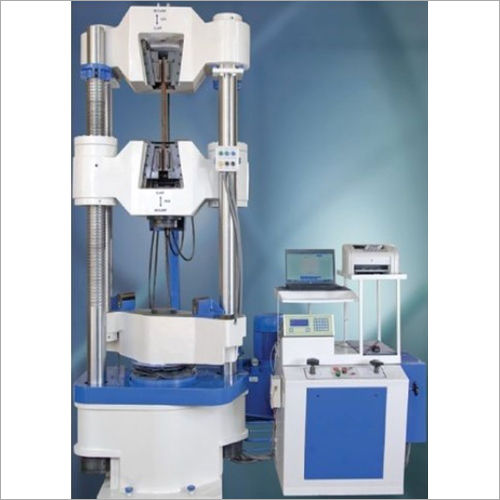
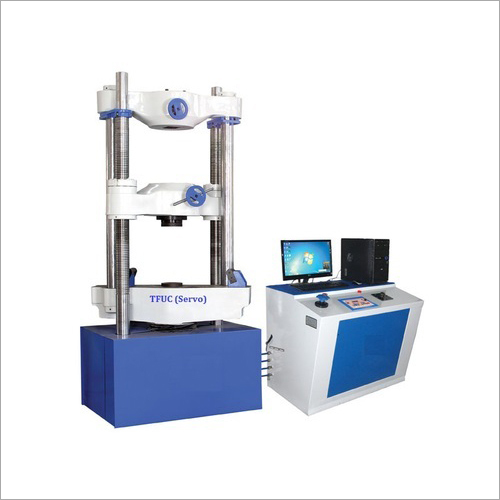
Recognized as a well known manufacturer and supplier, we are proficient of manufacturing and supplying an extensive array of Front Open Hydraulic Grips Universal Testing Machine. This range is required for testing purpose and designed along with easy for simple loading, unloading and selection of dies. The basic construction includes three main parts including inner chamber, electronic control unit and insulation. The Front Open Hydraulic Grips Universal Testing Machine can be availed from us in various specifications at market leading price.
Efficient Front Open Hydraulic Grips SystemThis testing machine offers a hydraulic front-open grip system with a quick clamping mechanism, allowing users to mount test samples swiftly and securely. The innovative grip design accommodates both flat and round specimens, streamlining testing processes across various applications.
Advanced Digital Display and ControlUsers benefit from a choice of digital or computer-based displays, including optional touch panels, for seamless operation and real-time data visualization. The microprocessor/PLC-based control ensures precise speed adjustment from 0.01 to 500 mm/min for diverse testing requirements.
Superior Safety and Reliability FeaturesFor enhanced user safety, this UTM is equipped with emergency stop options, overload, and overtravel protection. The robust alloy/mild steel structure is powder-coated for anti-corrosion, ensuring longevity and stable operation in environments ranging from 10C to 40C and up to 85% humidity.
FAQs of Front Open Hydraulic Grips Testing Machine:
Q: How does the front open hydraulic grip mechanism improve sample mounting and removal?
A: The hydraulic front open grips allow for quick and easy mounting and removal of samples. This reduces preparation time and minimizes user effort, especially when handling a range of specimen sizes and shapes. The quick clamping mechanism enhances safety and efficiency during frequent test cycles.
Q: What types of tests can be conducted with this Universal Testing Machine?
A: This machine performs tensile, compression, and flexural tests, making it suitable for a variety of materials. Its customizable test capacity and adaptable grip system allow users to evaluate metals, plastics, composites, and other engineering materials for structural integrity and performance.
Q: When is calibration required, and how is accuracy ensured?
A: Calibration is recommended annually or after extensive usage to maintain Class 1 accuracy as per IS/ISO 7500-1 standards. The machine includes a calibration certificate, and its high precision load cell with 1% tolerance ensures each test result is reliable and compliant with international quality standards.
Q: Where can the testing machine be installed, and what is its operating environment?
A: Designed for laboratories, manufacturing plants, and quality control facilities, the machine operates effectively at temperatures between 10C and 40C and humidity levels up to 85% RH. Its noise level remains below 70 dB at peak load, allowing use in environments demanding minimal disturbance.
Q: What is the process for generating analysis reports?
A: Post-testing, the machines PC-based software collects data from the digital or computer display. Users can review results, perform advanced analyses, and generate comprehensive reports for records or compliance purposes. The software supports customizable templates for efficient documentation.
Q: What accessories are included, and how do they benefit users?
A: The machine comes with a set of flat and round specimen grips, a calibration certificate, and drawing provisions tailored to user requirements. These accessories facilitate immediate setup and diverse testing capabilities, saving time and ensuring readiness for a variety of test standards.
Q: What are the main benefits of using this machine over others?
A: Key advantages include ease of sample mounting via the front open grips, high precision with automatic extensometer options, advanced safety features, minimal maintenance, and compliance with ASTM/ISO standards. Customizable capacity and software integration further enhance its value for manufacturers and exporters.

 Send Inquiry



 Send Inquiry

 Send Inquiry